Factors Affecting Farmland Valuation

BY: Skye Root
POSTED: March 5, 2026
IN: General
SHARE

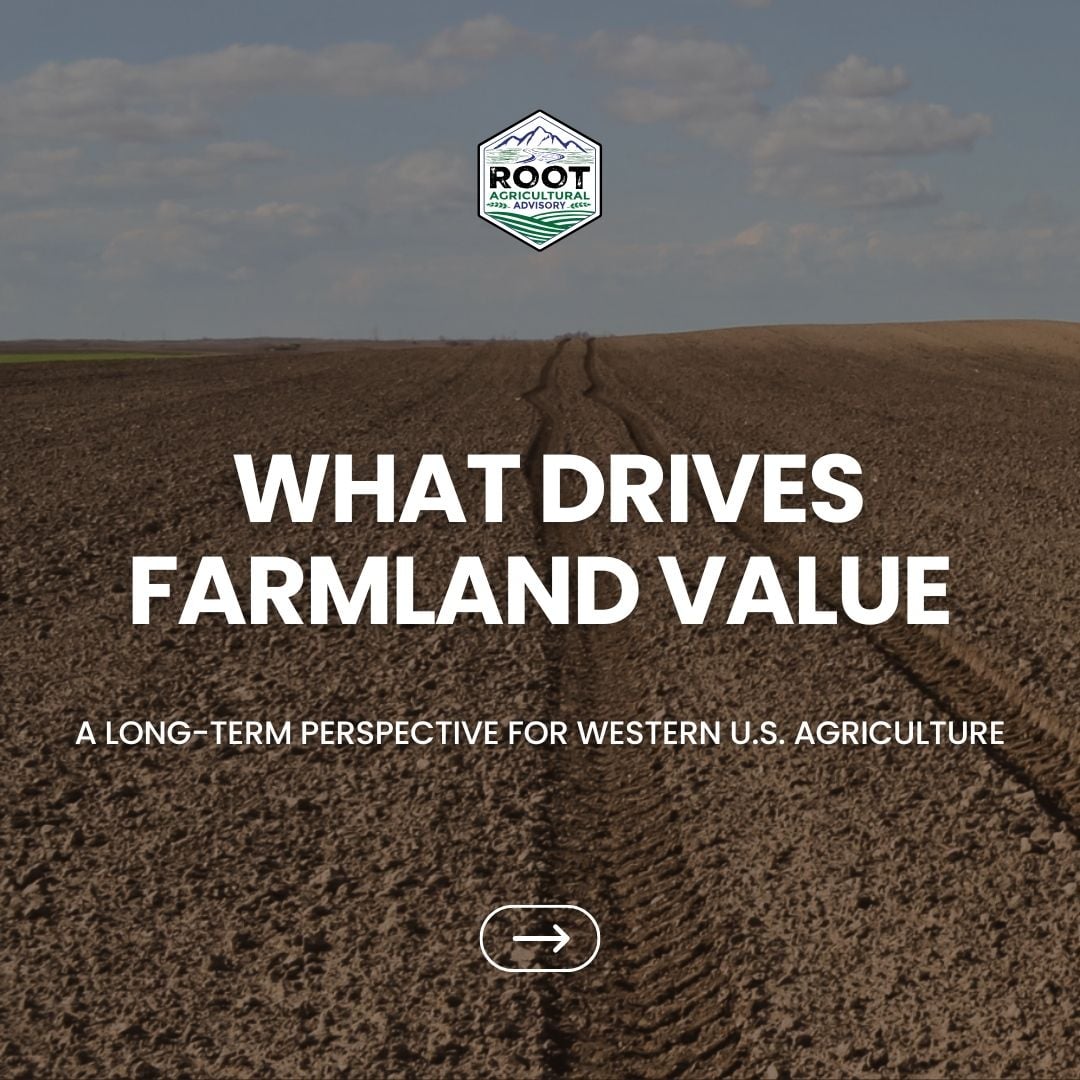
Farmland value is shaped by more than acreage.

Across the West, factors like water access, soil quality, operational management, and long-term planning determine how land performs, and how its value holds over time.

  1. Water comes first. Assessing factors such as availability, reliability, and documented water rights often carry as much weight as soil quality or acreage.
  2. Yield history, soil health and consistent management shape how land performs over time and how it’s valued.
  3. Ensuring management considers cost control, maintains good records, and shows disciplined oversight support performance today and confidence in the long run.

Land decisions expand beyond a single generation. Work with advisors who understand land, family and farming.

Related Posts:
Understanding Your Water Options

💧 Limited water does not have to mean limited options. Klamath Basin landowners enrolled more than 11,000 acres in water-conservation programs, balancing water use with operational and financial needs. Understanding available programs and how they fit into the broader operation can create a stronger path forward. Root Agricultural Advisory helps agricultural businesses evaluate their options… Understanding Your Water Options

What Does the Right Data Lead to Better Decisions?

🌱 Knowing your farmlands value, understanding buyer priorities, and identifying potential risks early can give you more control once negotiations begin. Our five-day Step-by-Step Guide to Unlocking Farmland Value helps landowners and advisors prepare before the property reaches the market. Start the guide through here.

Root Agricultural Advisory
2670 S. Eagle Rd. Meridian ID 83642
(208) 753-2333   info@rootagadvisory.com

© 2016-2026 RootAGAdvisory.com. All Rights Reserved
Licensed: Oregon, Idaho, Washington, Utah, Colorado, California
OR #201207960; ID #40250; WA #25488; UT #6366288; CO #ER100082868; CA #02100556