With August just around the corner, vegetable growers across central Washington and Oregon should be on the lookout for a variety of diseases.
By Glenn Vaagen
Washington State University’s Tim Waters said onion growers across the Columbia Basin are reporting downy mildew. He noted this water mold typically develops where onions are grown year-round.
“Most onion crops are planted in the spring and harvested in the fall, but we do have some crops that are planted in the fall and then harvested in the next spring or summer, like seed crops or over wintered onions,” Waters said. “So, when we have over wintered onions that are adjacent to spring planted onions, we have a higher chance of having downy mildew in both crops actually. Because the disease needs to live on, green onion tissue is there has to be green onion tissue present to have downy mildew persist throughout the year.”
Waters added to the cooler temperatures and higher humidity the region has seen throughout 2025 has encouraged downy mildew to develop and spread. He said there are fungicide options for growers, but he noted those are typically more preventative measures, but in this circumstance, those fungicides can help slow the spread of downy mildew. He also reminded growers to watch out for secondary disease that can develop because of the downy mildew.
Downy Mildew Not The Only Disease For Which WSU Is Looking
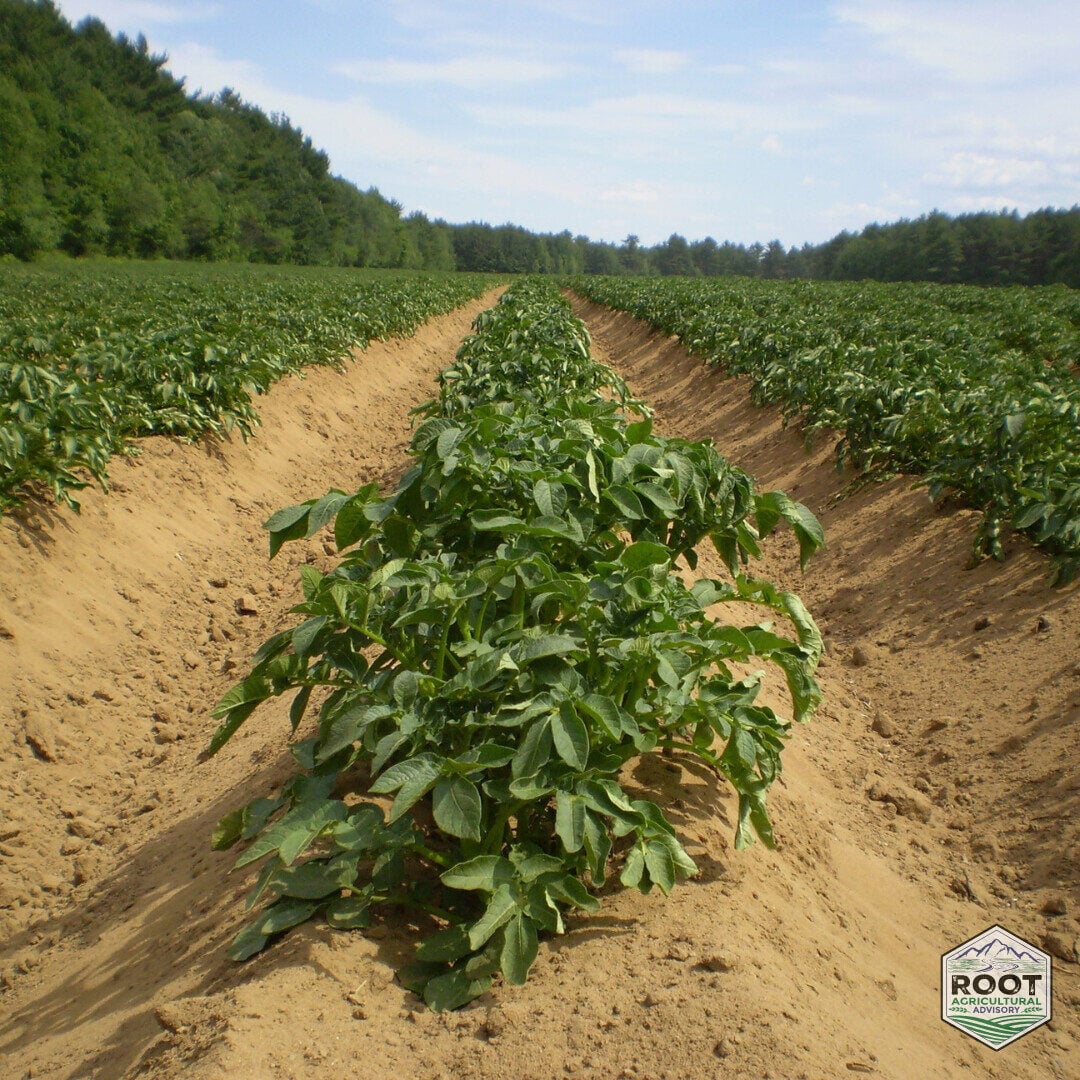
Another water mold of concern, especially for potato growers, is late blight. Waters said there were some growers that reported having late blight in a field.
“That triggered some concern amongst growers and consultants. So, we did go out and look at a couple of fields and we did not find late bite into those fields,” Waters said. “We’re still doing some testing and we’re still listening for potential fields to look at. So, I do want to encourage people. If they do have late blight, or think that they have late light in the field, it’s good to go ahead and reach out to myself or Carrie Wohleb and we can come out to fields, we can sample them.”
Read the full article here.